What Is 3D Rendering? A Complete Beginner's Guide

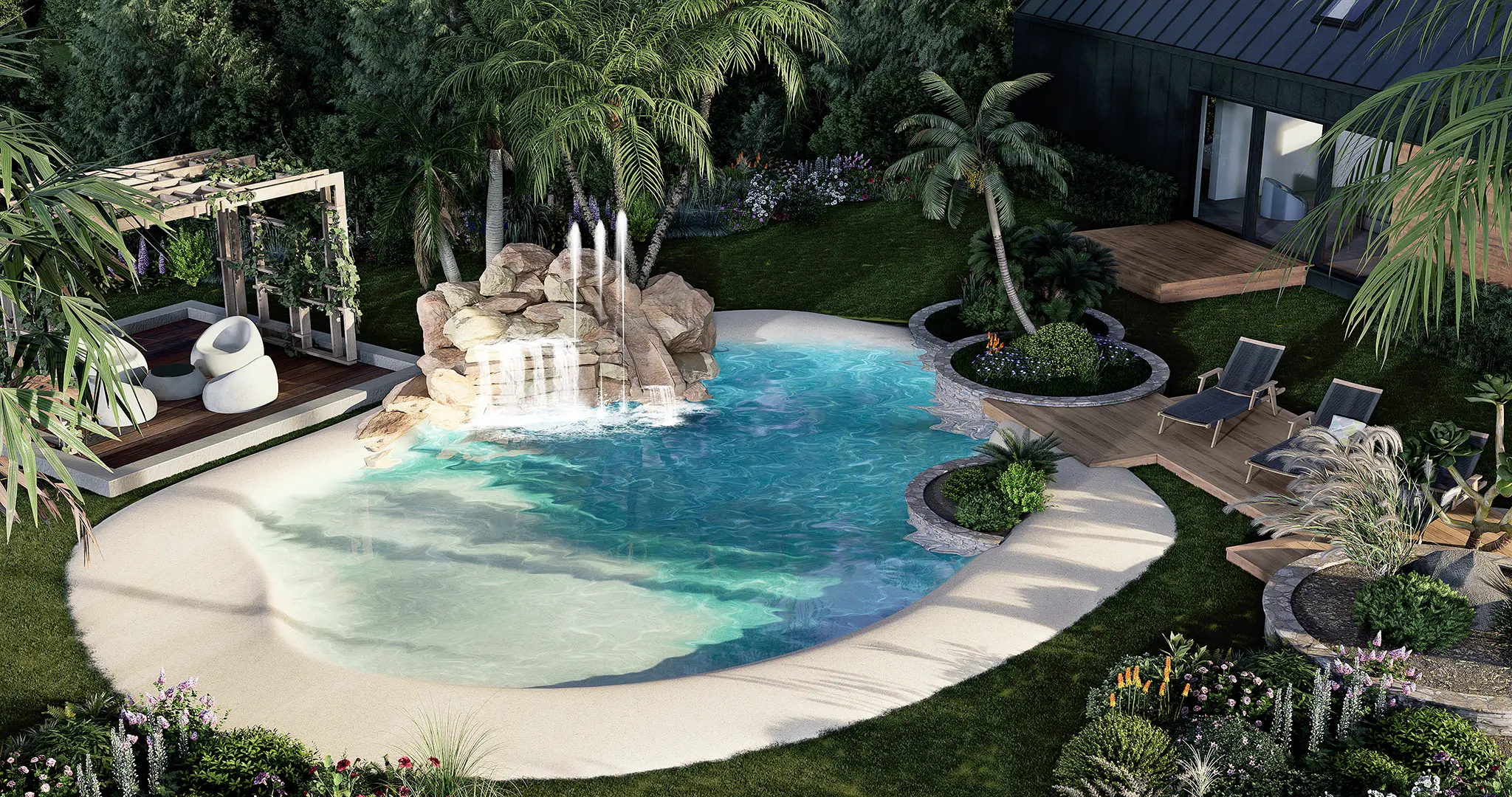
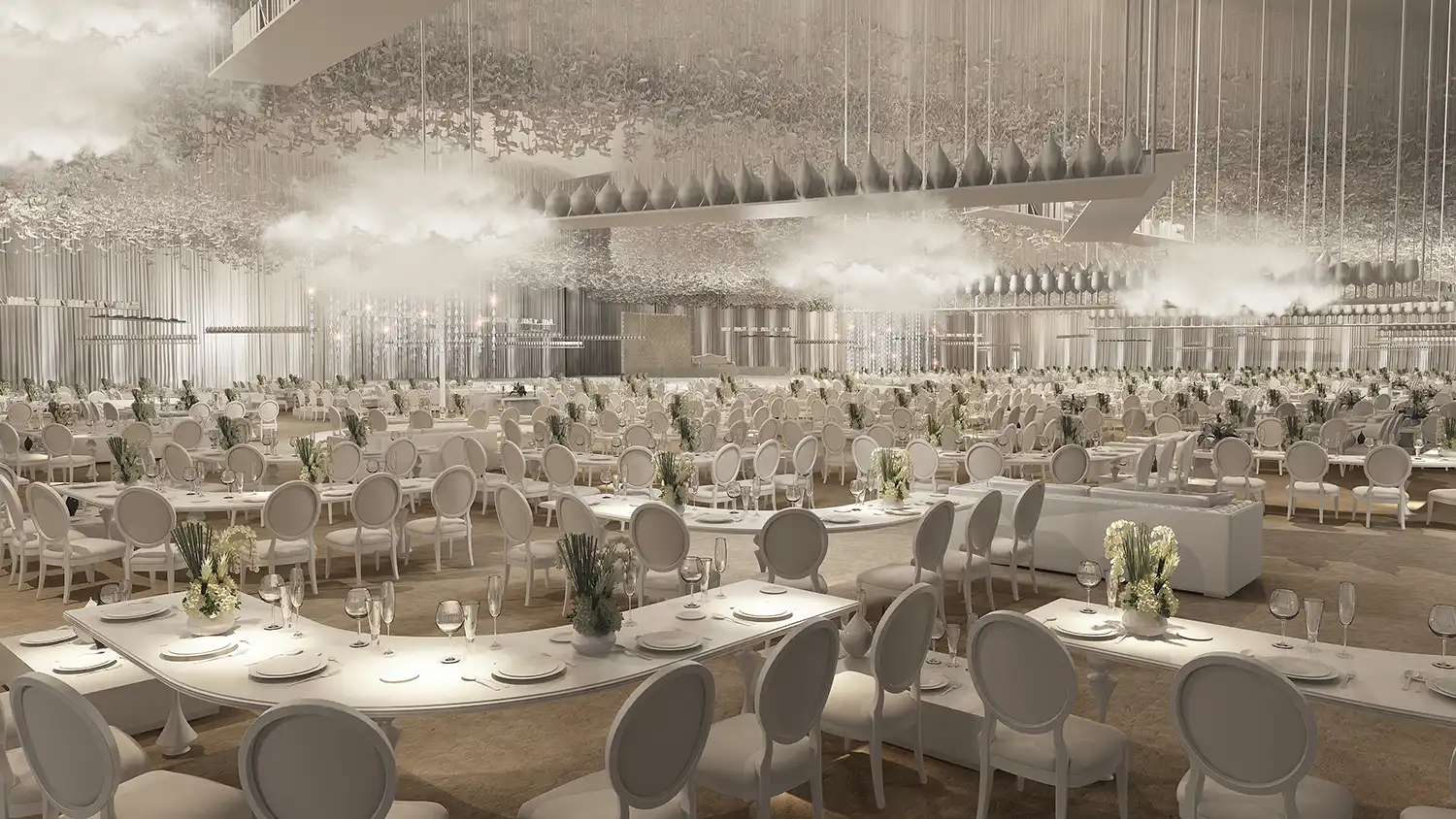
3D rendering is the process of creating a two-dimensional image from a three-dimensional digital model. Think of it like photographing a virtual scene — only the “scene” exists entirely inside a computer.
If you’ve seen a photoreal image of a building, a product, or a room that hasn’t been built yet, you’ve seen 3D rendering in action.
How 3D Rendering Works
- Modeling — the object or space is built as 3D geometry (from CAD files, sketches, or scratch)
- Texturing — surfaces get materials: wood, stone, fabric, glass
- Lighting — virtual lights mimic the sun or interior fixtures
- Rendering — the software calculates how light bounces and produces the image
- Post-production — color, atmosphere and final polish
Real-Time vs. Offline Rendering
- Offline (ray-traced) engines like V-Ray calculate light physically, producing the most realistic results — used for final marketing images
- Real-time engines like D5 Render show changes instantly, ideal for design exploration and walkthroughs
What 3D Rendering Is Used For
Architecture, interior design, real estate, product design, and film all rely on it to preview things that don’t exist yet.
FAQ
What does 3D rendering mean? It means generating a 2D image from a 3D model, usually to preview a design photorealistically.
What’s the difference between 3D modeling and rendering? Modeling creates the geometry; rendering produces the finished image from that geometry.
Is 3D rendering hard to learn? Basic renders are accessible, but photoreal architectural work takes real skill and experience.
See my custom 3D visualization service or start a project.